
Last updated November 25, 2026
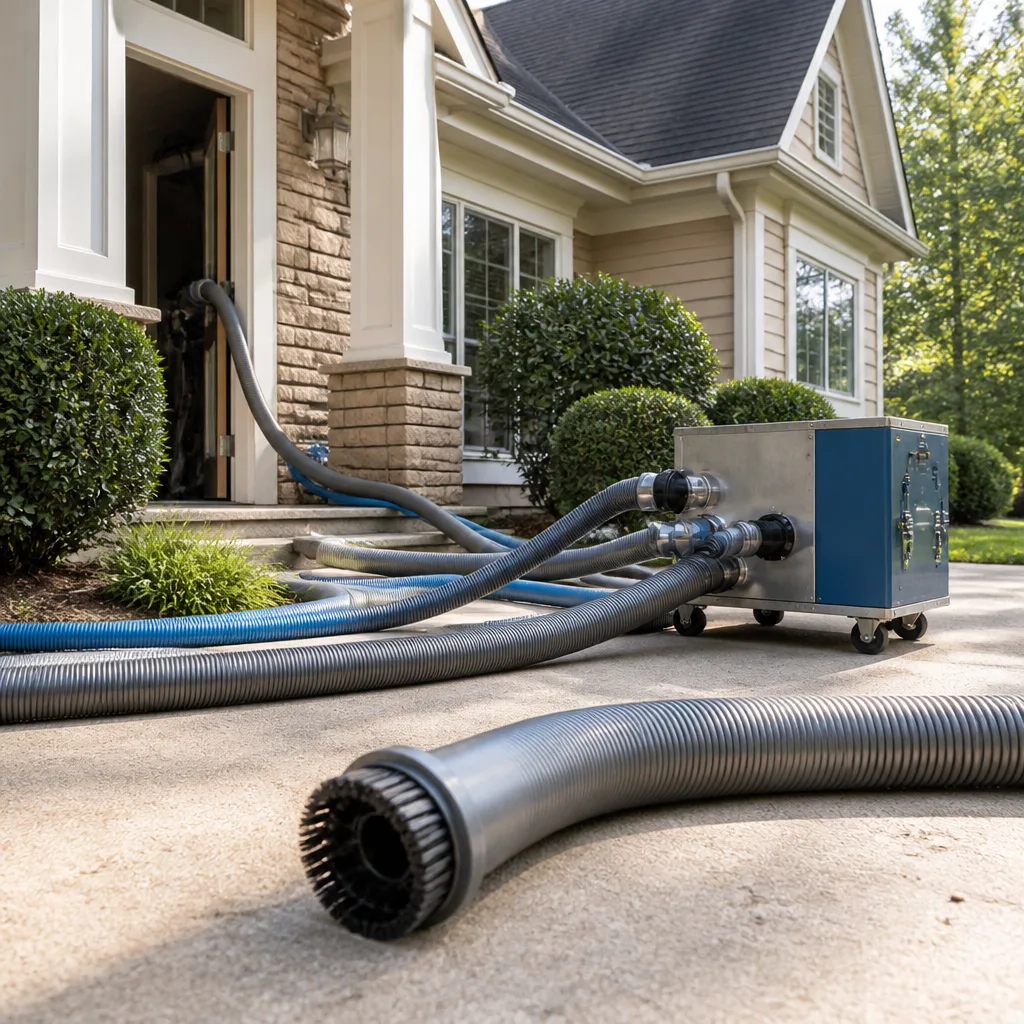 Whole-home duct cleaning
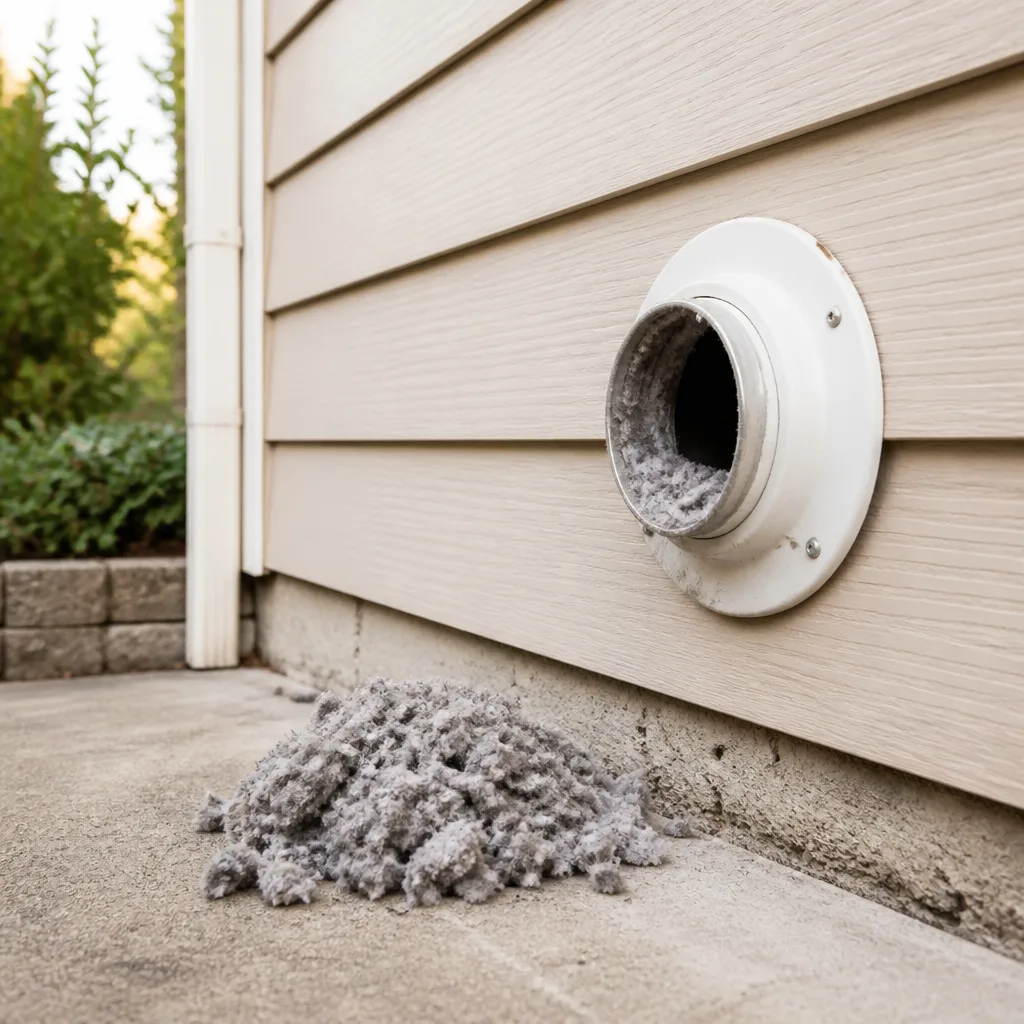 Dryer vent cleaning
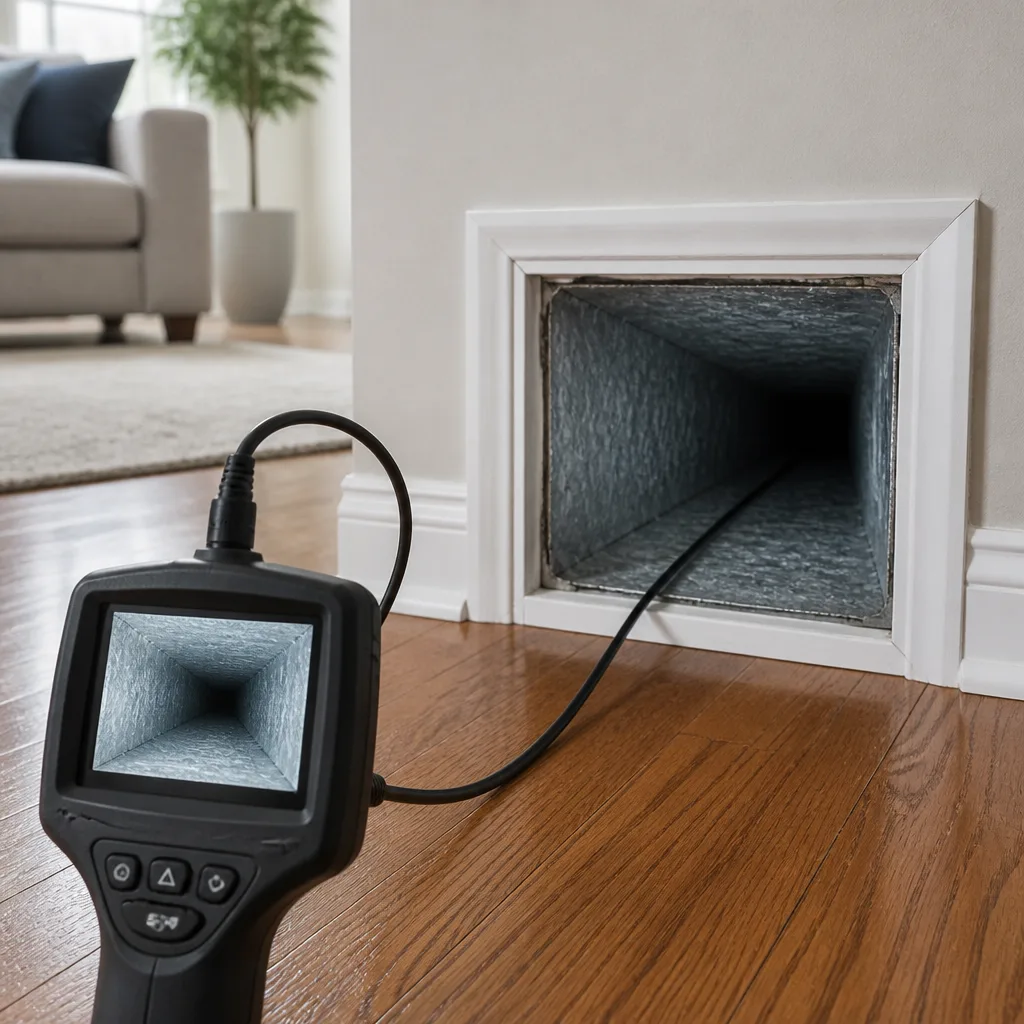 Camera inspection
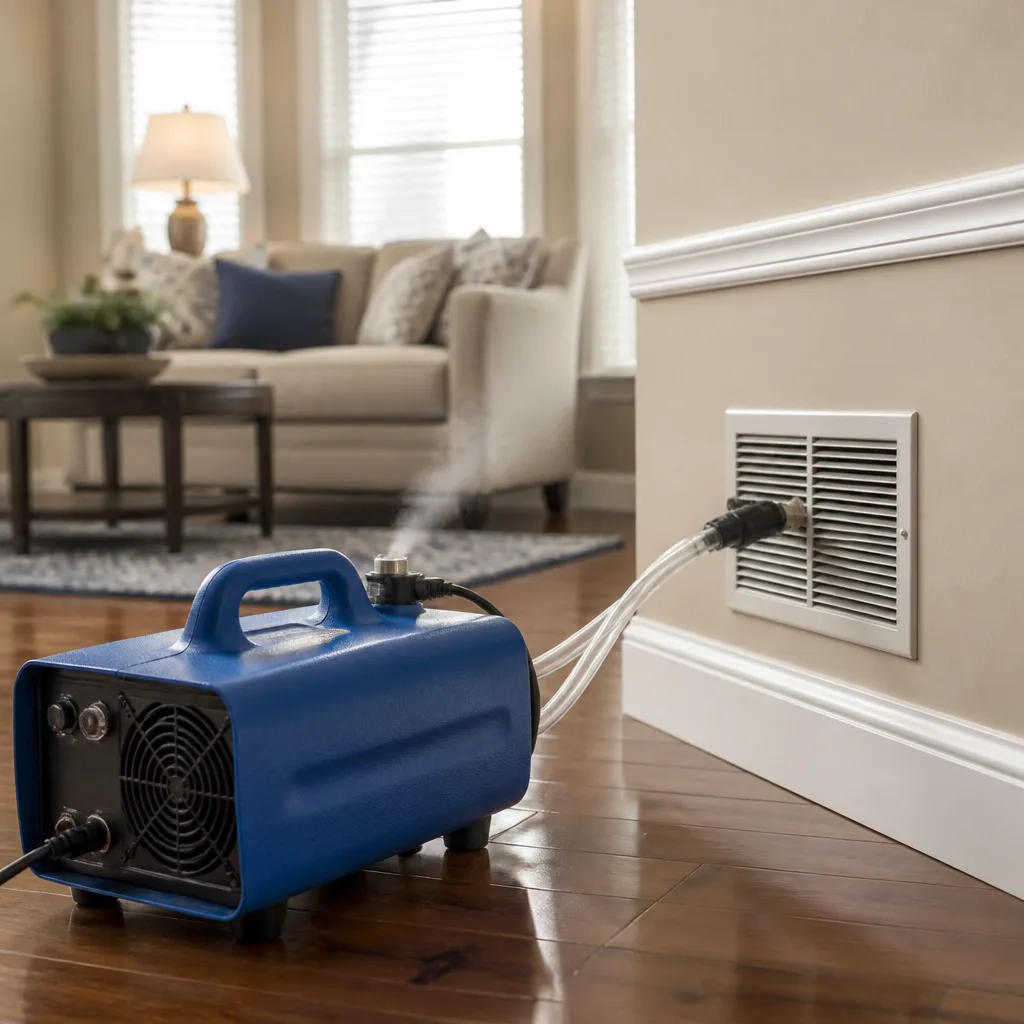 Sanitizing & deodorizing
Whole-system duct and dryer vent check with before-and-after photos - you see exactly what came out of your vents
That "$99 whole-house special" is a bait ad - the real number appears once they are in your hallway, or the "clean" is a shop-vac at the register. We photograph the inside of your ducts before and after instead.
Air Duct Cleaning Troubleshooting in Saddle Rock: Common Problems and How to Fix Them
Most homeowners in Saddle Rock assume a cold bedroom or a dusty register means the furnace is failing or the ducts need a cleaning. That assumption sends people down the wrong path and, often, toward the wrong fix. The truth is that most duct problems announce themselves from inside the system, not from the unit in the basement or the closet. A whistling vent, a room that never warms up, a thump each time the blower kicks on: those are clues pointing at leaks, collapsed flex runs, or blocked boots, not a failing appliance. This guide teaches you to read those clues the way a technician does, so you can separate a cleaning problem from an integrity problem and know what to check before you pick up the phone.
Quick Answer
Most air duct problems in Saddle Rock fall into two categories: contamination (dust, debris, or microbial growth that needs professional cleaning and sanitizing) and integrity (leaks, disconnected runs, or collapsed ductwork that needs repair and sealing). Uneven room temperatures, whistling, and pressure drop usually signal the second category, which cleaning alone won’t fix. A visual inspection from your vent covers plus a feel for airflow at each register tells you which category you’re dealing with in about ten minutes.
Styles & brands we work with
- Whole-home duct cleaning
- Dryer vent cleaning
- Camera inspection
- Sanitizing & deodorizing
Table of Contents
- Is It a Dirty Duct Problem or a Duct Integrity Problem?
- Mold at the Register Face or Surface Condensation?
- What the Sounds Coming From Your Ducts Tell You
- Why Uneven Room Temperatures Follow a Cleaning Job
- Safe DIY Checks Before You Call a Technician
- When Professional Equipment Becomes Necessary
- Dryer Vent Problems That Masquerade as Duct Issues
- What Saddle Rock’s Dry Air Does to Your Duct System
Is It a Dirty Duct Problem or a Duct Integrity Problem?
This is the first question a technician asks, and it’s the one that saves homeowners from paying for a cleaning that won’t solve anything. Dirty ducts and compromised ducts produce different symptoms, and the difference shows up in airflow and pressure, not in how much dust you can see.
Hold your hand over each supply register while the system runs. Compare the feel from room to room. A register with weak or uneven airflow that strengthens and weakens in rhythm with the blower suggests a leak or a partially disconnected run somewhere upstream. You’re feeling pressure loss, not dirt. A register with steady but dusty airflow, where debris collects on the grille and the surrounding wall, points to contamination. The airflow is fine; the air is just dirty.
Here’s how the two categories break down:
Signs of a contamination problem
- Visible dust streaks on the register grille and the wall around it
- A musty smell that lingers after the system shuts off
- Dust settling on furniture faster than usual after cleaning
- Allergy symptoms that worsen when the furnace or air handler runs
- A return grille caked with debris when you pull the cover
Signs of an integrity problem
- One or more rooms consistently 8 to 10°F off from the rest
- Whistling at a register or a joint in the duct run
- A rattle or thump that starts and stops with the blower
- Air coming out of a register that feels no stronger than the room itself
- Dust reappearing quickly after a cleaning (a sign of unfiltered air pulling in through leaks)
The last point on that list matters. A leaky return in a garage or attic pulls unconditioned, dusty air straight into the system, so a duct that gets cleaned will dirty up again fast if no one seals it. In Saddle Rock, where homes can sit at elevation under strong sun and wide temperature swings, that leak also dumps a lot of energy outdoors. We see the two problems tangled together often, and the right answer is usually cleaning and sealing in the same visit, which is why air duct cleaning paired with repair work handles more than either problem alone.
Mold at the Register Face or Surface Condensation?
Homeowners in Saddle Rock sometimes spot dark spots around a register and assume mold. Sometimes they’re right. Often they’re looking at something else entirely, and the two need different responses.
Black or dark gray spotting right at the register face, on the painted drywall, with a clean duct interior behind it, is usually condensation. It happens when cold supply air meets warm, humid indoor air at the register seam and water beads on the metal and the drywall edge. The fix is often insulation around the register boot or a change to how the supply run is routed, not a cleaning.
What points to actual mold inside the system:
- A persistent musty or earthy odor that doesn’t clear when the system is off
- Growth visible on the duct interior when you remove a grille and look in with a flashlight
- Discoloration that spreads along the inside of the flex or sheet metal, not just at the seam
- Recent water intrusion (a leaky coil, a roof leak, a flooded crawl space) that wetted the ductwork
Mold is a biological problem, and it needs a biological response. Mechanical cleaning removes the material, but a careful clean followed by a Guardsman antimicrobial sanitizing treatment neutralizes what’s left and reduces regrowth. Airflow that stays restricted also feeds the cycle, so fixing the airflow and drying the system out matter as much as the cleaning itself. If you find growth in your ducts, the right move is a professional inspection with containment. Our technicians use Abatement Technologies HEPA machines during the work so dislodged spores are captured rather than stirred into the air. That containment is the difference between a clean that helps and a clean that spreads the problem around.
What the Sounds Coming From Your Ducts Tell You
Ducts talk. The sound your system makes is one of the most reliable dials you have for figuring out where the trouble is, and it costs nothing to listen.
The rattle
A rattle that starts the moment the blower spins up and stops when it cuts off usually means loose hardware: a register grille not seated, a screw-backed joint loosening, or a length of flex duct slapping against a joist. Inspect the registers in the noisiest room first, then the run of duct feeding it. A rattle that comes and goes with pressure changes is often a loose damper blade inside the trunk.
The whistle
A whistle maps to a restriction. Air is squeezing through a smaller opening than it wants to. Start at the register in the noisiest room and work backward: remove the grille cover and look at the boot (the elbow where the register meets the duct). A collapsed boot, an over-tightened damper, or a length of flex pinched between joists will produce this. Whistling at a joint in the attic or crawl space is a leak, not a restriction, and it’s usually the start of an energy-loss problem.
The thump
A single thump at startup is often the duct flex expanding or contracting as pressure builds. A repeated thumping can mean a section of flex is improperly strapped and slapping against framing every time the blower cycles. If the thump is loud and directly overhead or near the return, get it checked. A run that’s shifting with pressure is a run that’s wearing against a sharp edge.
The hiss at the return
A hiss at the return grille usually means the return is undersized or partially blocked. In some cases the return grille’s filter is too restrictive. Start with the filter, then look at the grille size. If airflow has been restricted for a long time, the blower motor pays a heat penalty, and the system runs harder to deliver the same comfort.
Any sound that is steady, loud, and new is worth investigating. Sounds that change with the weather, or that appear only in certain rooms, tell you where the problem lives. HVAC cleaning often resolves noises caused by debris buildup interfering with the blower or the duct interior, but noises rooted in loose or collapsed ductwork need a repair inspection, not another clean.
Why Uneven Room Temperatures Follow a Cleaning Job
You had your ducts cleaned, and the upstairs bedroom is still cold. The cleaning didn’t fail. What happened is more common: a cleaning removed the dust but didn’t address the leak, the disconnected run, or the blocked boot that was preventing conditioned air from reaching that room in the first place. Cleaning and sealing solve different problems, and most homeowners don’t know to ask for both.
Here’s how to think about it. The blower pushes a fixed volume of air through the system. Every leak in a supply trunk or air handler connection bleeds part of that volume into the attic or crawl space. Every disconnected run means the air finds the path of least resistance and never makes it to the room. Cleaning changes what’s inside the ducts. Sealing changes how much air actually gets through them.
If you want to verify whether you have a sealing issue, this is a safe check:
- Turn the system on and let it run to steady state.
- Go to each supply register and feel the airflow. Note which rooms feel strong and which feel weak.
- Close the door to the coldest room, wait five minutes, and check again. A room that warms up almost immediately after the door closes has a return-path problem, not a supply problem.
- Inspect the accessible ductwork in the attic, basement, or crawl space for disconnected flex, sagging runs, or tape that has peeled away.
- If the visible ductwork looks intact but one room still lags, the leak is likely behind drywall or in the air handler cabinet, which needs a technician.
We’ve seen it many times: a homeowner is told the cleaning will “balance the system,” and when it doesn’t, they assume the cleaning was bad. The real answer is that balance is a duct design problem. A proper inspection finds the disconnected run or the undersized return, and the fix is repair and sealing, not another cleaning. Clean ducts, sealed ducts, healthier air. That’s the sequence that moves the needle on comfort in a Saddle Rock home. If uneven rooms are your main complaint, start with the ducts themselves and consider having repair and sealing built into the visit rather than after it.
Safe DIY Checks Before You Call a Technician
You can gather a lot of useful information without tools or risk. These checks are safe for anyone, and doing them first means the technician arrives already pointed at the right part of the system.
- Remove a few register covers and look in. Use a flashlight. You’re not reaching deep; you’re checking the boot and the first 18 inches of duct. Look for visible debris, collapsed flex, or disconnected connections.
- Feel the airflow at every supply. Note which registers are strong and which are weak. Write it down.
- Smell the air at each register. A musty smell at one register is a local problem. A musty smell at every register suggests the problem is in the system, not the room.
- Listen through one full heating or cooling cycle. Note when the sound starts, when it stops, and whether it changes.
- Check the filter. A clogged filter can mimic a duct restriction. Replace it and see if airflow improves.
- Look at the return grilles. A caked return is a sign of heavy contamination upstream.
What not to do: don’t reach into the duct beyond the boot, don’t try to reseat flex yourself if it’s in a hot attic or a crawl space with poor footing, and don’t crawl under a sagging duct in a tight space. Most homes in Saddle Rock have some attic ductwork, and summer attic temperatures and steep, angled crawl spaces make this a job for someone trained in tight-space work.
Also, don’t ignore what you find. If a register face has visible dark spotting or the boot shows disconnected flex, that’s your stop point for DIY. That’s when professional equipment is needed. If you’re unsure, a free estimate is the low-risk way to find out, and it’s a quick call to get someone out to look.
When Professional Equipment Becomes Necessary
Contamination and repair both hit a wall where homeowner tools stop being effective. A shop-vac pulls debris from the surface of the duct but can’t agitate debris off the walls and out of the flex corrugations. It also moves dust you’ve loosened into the air rather than capturing it, which matters for anyone with allergies or respiratory sensitivity.
Professional cleaning equipment is a different category. Rotobrush and Nikro systems agitate the duct wall with a rotary brush while extracting debris through high-volume negative pressure in the same pass. The brush loosens what’s adhered; the vacuum captures it at the source. That’s a two-in-one process a shop-vac simply can’t do, and it’s why the tools exist in commercial and restoration work.
Containment is the other half. When ductwork is opened for cleaning or repair, dislodged particulates go somewhere. Abatement Technologies HEPA-filtration units create negative pressure in the work area so those particles are captured, not redistributed through the house. On a job where microbial growth is present, or where a homeowner is sensitive, that containment is not optional.
The threshold for calling a professional is usually one of these:
- Visible growth on the duct interior
- A disconnected or collapsed run that needs sealing and reconnection
- Persistent musty odor that doesn’t clear after a filter change
- Uneven room temperatures that don’t respond to register adjustments
- Recent renovation, water damage, or pest activity in the ductwork
- A return grille that is visibly caked with debris
When we do a cleaning in Saddle Rock, we pair the extraction with Guardsman sanitizing as a finishing step, then inspect and address the visible leaks or disconnected runs on the same visit. From cleaning to repair to sanitizing handled in one visit is the way the system actually gets restored. Two separate contractors for two separate problems rarely adds up to a balanced system.
Dryer Vent Problems That Masquerade as Duct Issues
Not every airflow problem in a house starts with the HVAC. Dryer vents run through similar framing, exhaust into similar closets, and produce a version of the same symptoms: weak airflow, lint accumulation, and a lingering warm or damp smell that a homeowner attributes to the HVAC system. When dryer vent cleaning is overdue, the dryer runs long, the laundry room stays humid, and lint builds where it shouldn’t.
Here’s how to tell them apart. Dryer vent problems show up at the dryer: long dry times, a load that is still damp after a normal cycle, the exterior vent flap not opening much when the dryer runs, or heat building up around the machine. HVAC duct problems show up at the registers: weak airflow at the supply, dust at the grille, temperature imbalance from room to room. Test the dryer vent by running a cycle and checking the exterior flap and the laundry room humidity. If those are off, start there.
Dryer vent cleaning is part of the same full-system scope as duct cleaning, and it’s a sensible thing to bundle on the same visit. A clogged dryer vent is one of the preventable causes of home fires, so it belongs on a maintenance list regardless of what’s happening with the HVAC. We treat it as a fire-prevention service first, not an air-quality upsell.
What Saddle Rock’s Dry Air Does to Your Duct System
Saddle Rock’s climate is dry, and dry air shapes duct problems in ways coastal or humid-climate guides never mention. Low humidity is easy on metal and duct board in some ways, but it makes static the dominant dirt-carrier and it changes which air-quality upgrades actually help.
In low-humidity conditions, dust and fine particulates suspend more readily in the air and settle onto duct surfaces as a light, adhesive film. During heating season, the furnace pulls that dry, dusty air through the return, and if the filter isn’t sized correctly for the load, the film builds faster than you’d expect. That’s one reason a properly sized, well-fitted filter matters more in Saddle Rock than in a high-humidity climate where dust settles out faster.
Dry air also makes it more obvious when ductwork is leaky. A supply leak into an attic during the heating season dumps warm, dry air into a cold space, and the pressure imbalance shows up as a cold room downstairs. On the humidity side, homes in this climate often benefit from a whole-home humidifier more than a dehumidifier, which is why we install Aprilaire and Honeywell air-quality products alongside cleaning. Getting the humidity into a healthy range makes ducts easier to keep clean and the air easier to breathe, and it can be handled on the same visit as the cleaning rather than as a separate project.
One local pattern worth noting for property managers: in a dry climate, tenants often crank the thermostat trying to compensate for a room that’s cold because of a leak or a disconnected run. That behavior masks the duct problem as a “furnace” problem. If your Saddle Rock property has repeated thermostat complaints in the same unit, look at the ducts first. The fix is usually in the system, not the appliance.
Common Mistakes to Avoid
- Assuming a cleaning will fix a cold room. A cold room is usually an airflow or integrity problem. If the duct is disconnected or a run is collapsed, cleaning just doesn’t touch it. Have a technician check the run before you commit to a clean.
- Choosing a price-per-vent quote. Per-vent pricing is a bait-and-switch setup. The equipment and containment are the same regardless of vent count, and the honest quote is a whole-system range for the actual scope of work.
- Ignoring a musty smell after the filter change. A musty smell that survives a new filter is in the ducts, and it usually means microbial growth or a moisture source. Cleaning plus sanitizing addresses it; air freshener does not.
- Letting a disconnected flex run “ride” because the room gets “warm enough.” Unsealed ductwork pulls unconditioned dusty air into the system, and the room stays uncomfortable. Repair and sealing solve it.
- Skipping dryer vent cleaning. Homeowners often assume the lint trap catches everything. It doesn’t. Vent buildup is a fire risk no matter what the ducts look like.
- Self-treating visible mold with household cleaners. Spraying a register face with a spray doesn’t treat what’s inside the duct, and it can spread spores. Containment and professional treatment are the safer route.
- Assuming a no-name contractor with a shop-vac is equivalent to professional duct equipment. The tools matter. Rotobrush and Nikro systems agitate and extract; a shop-vac of any size can’t perform both, and the swing in results is real.
See the difference
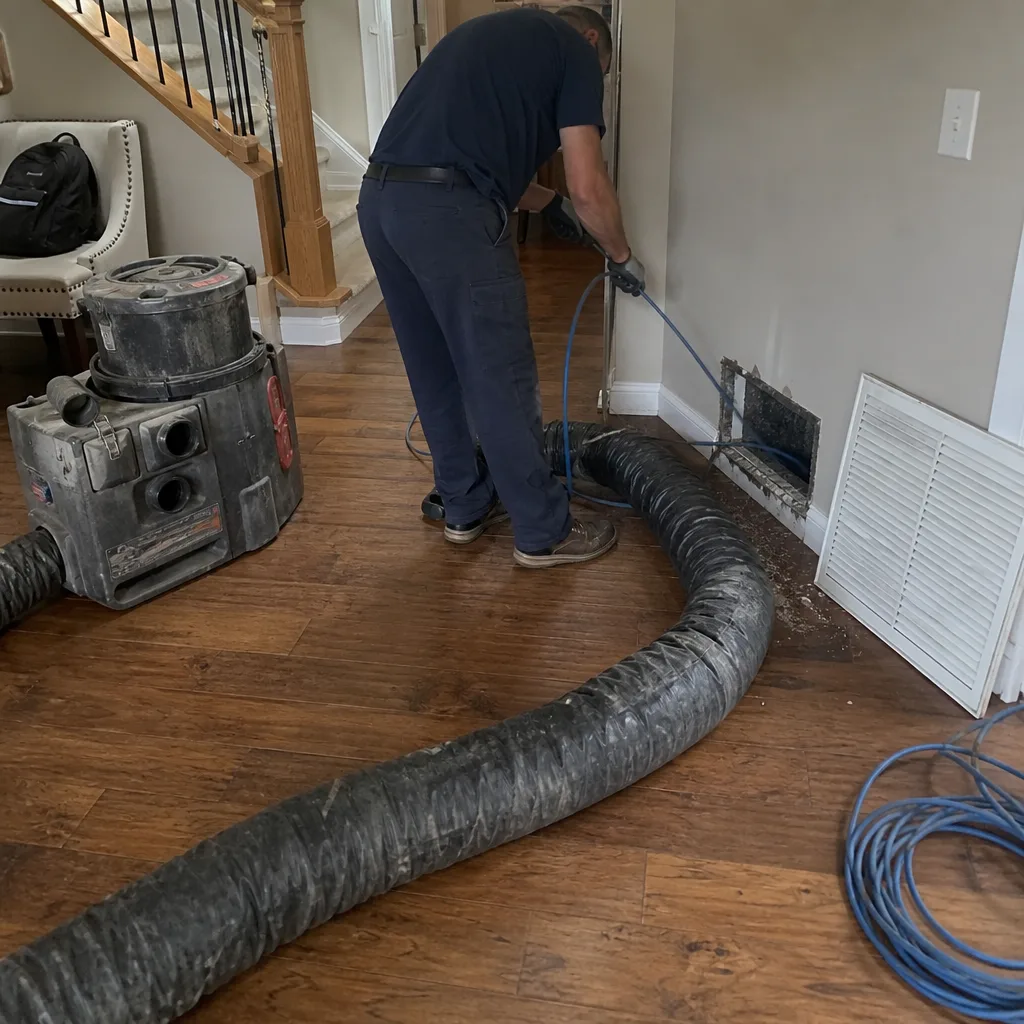 Before
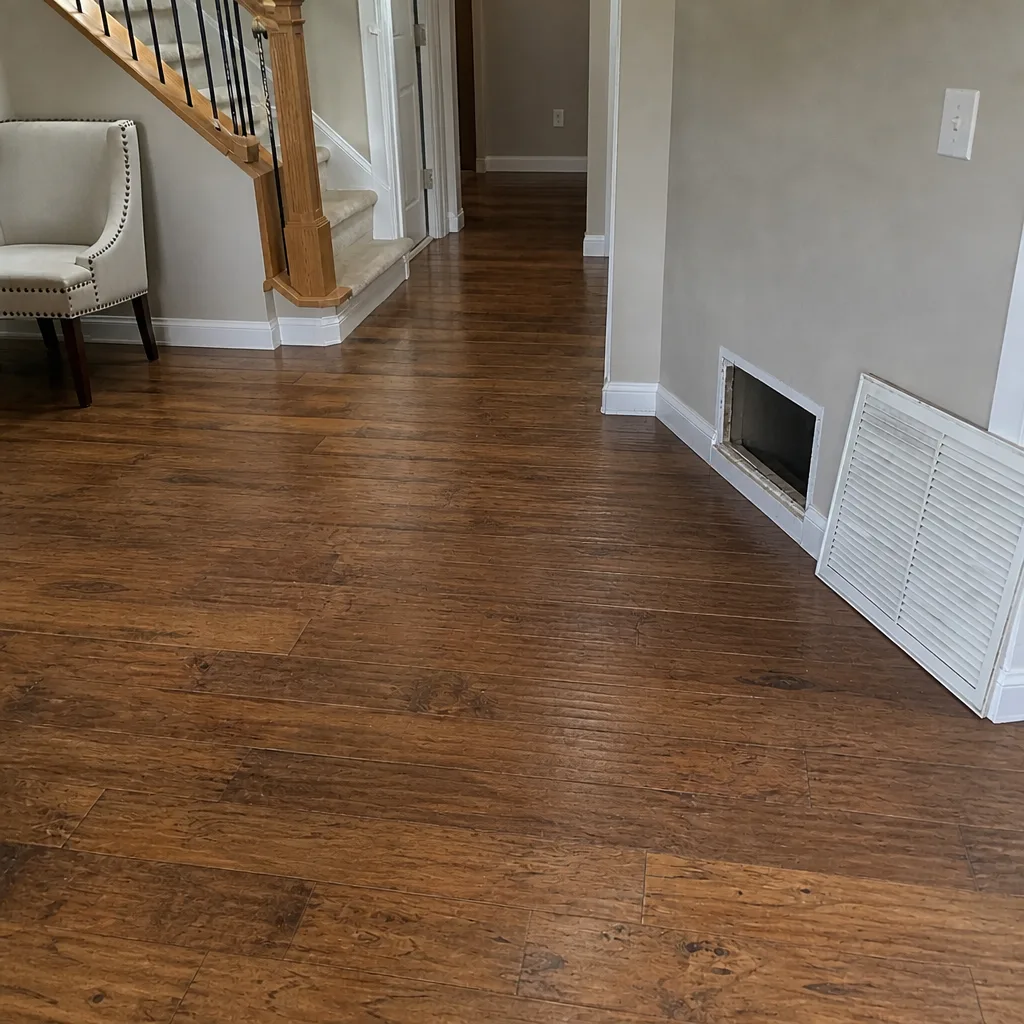 After
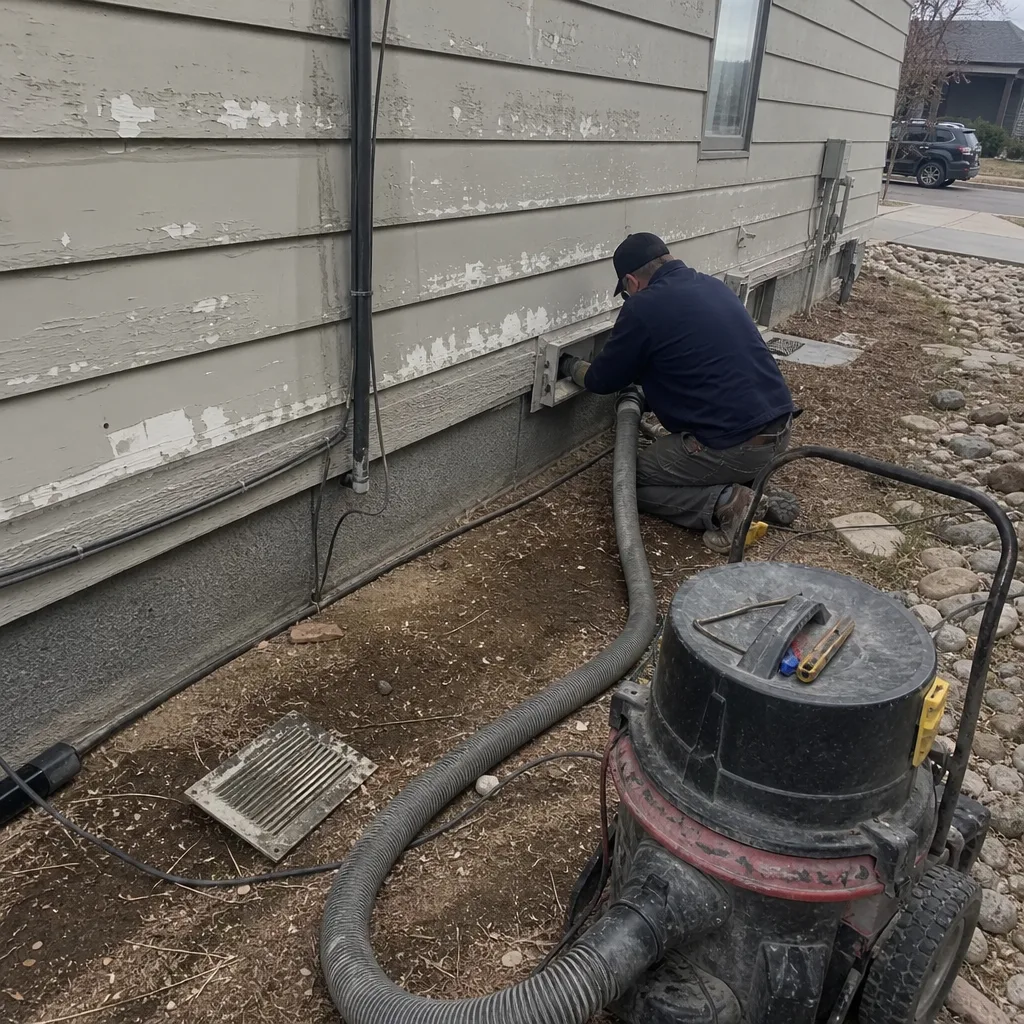 Before
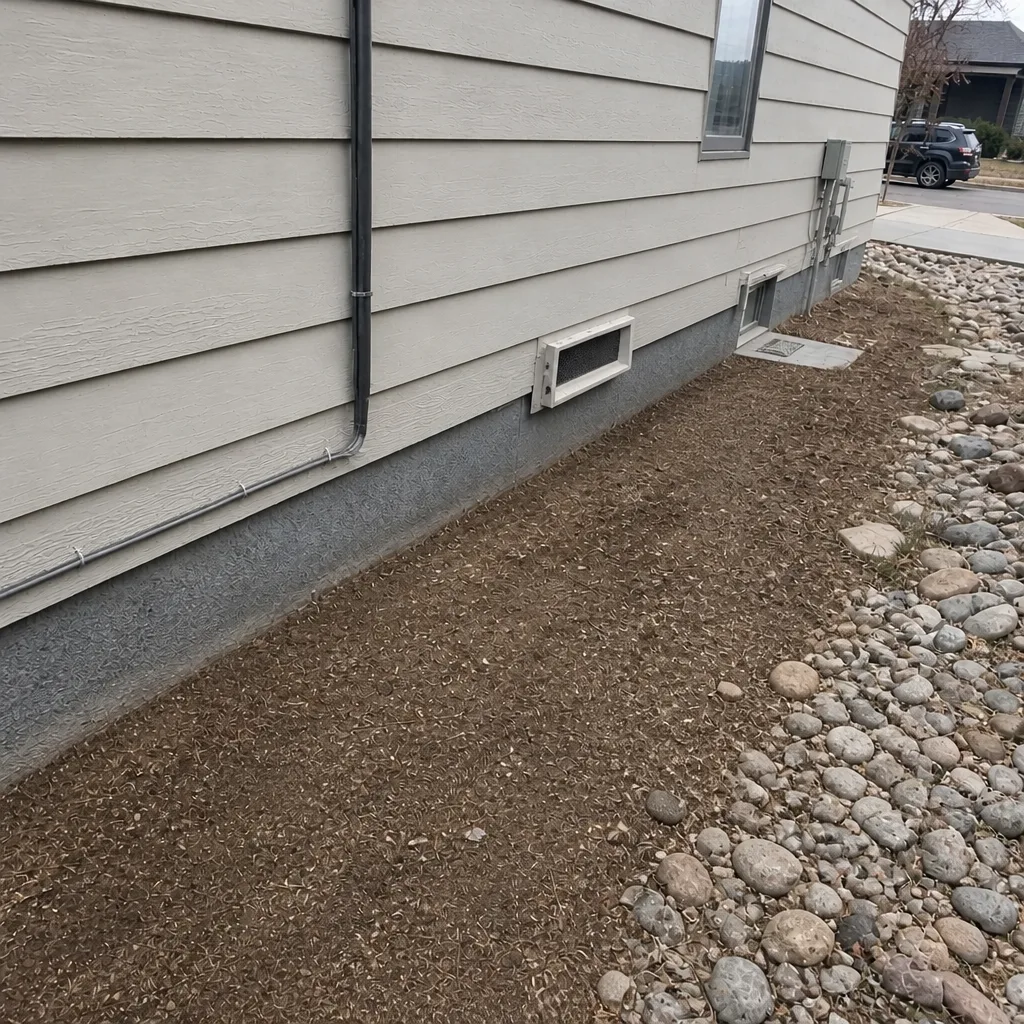 After
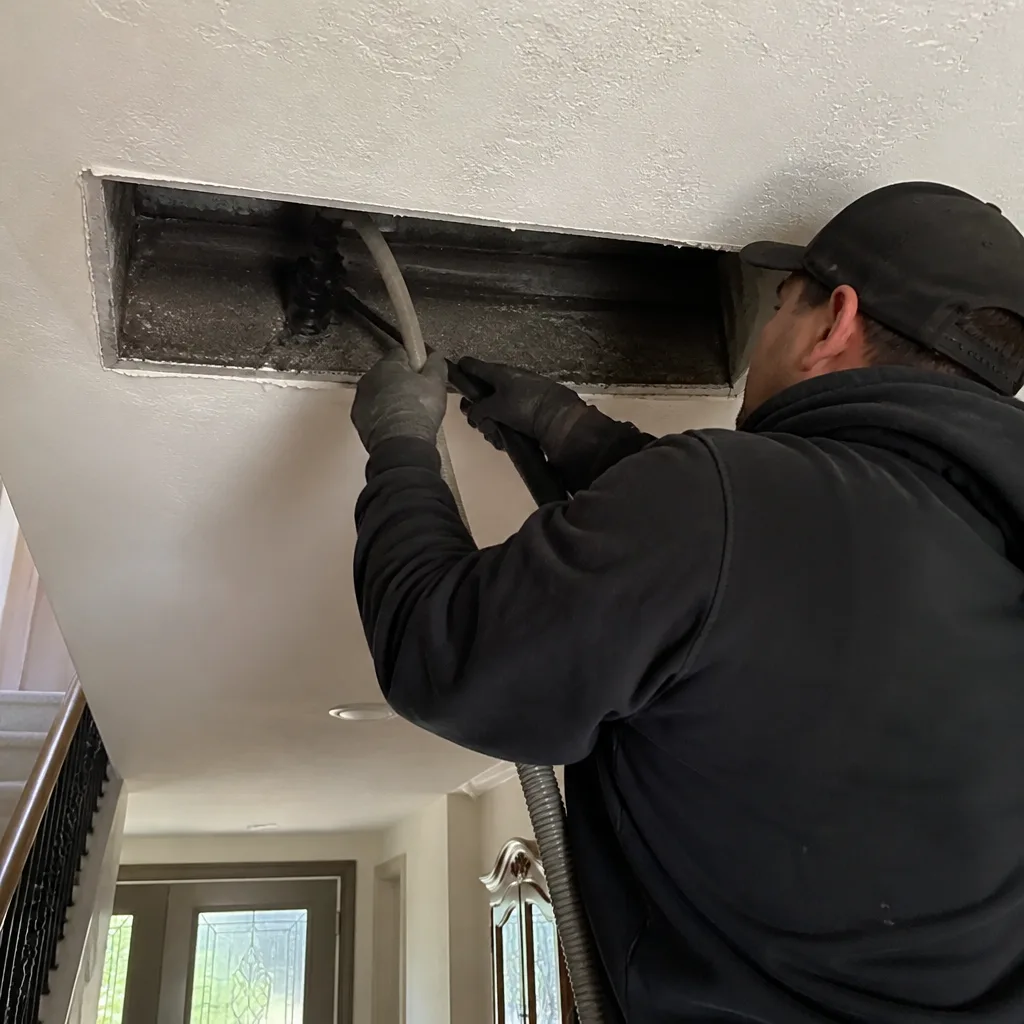 Before
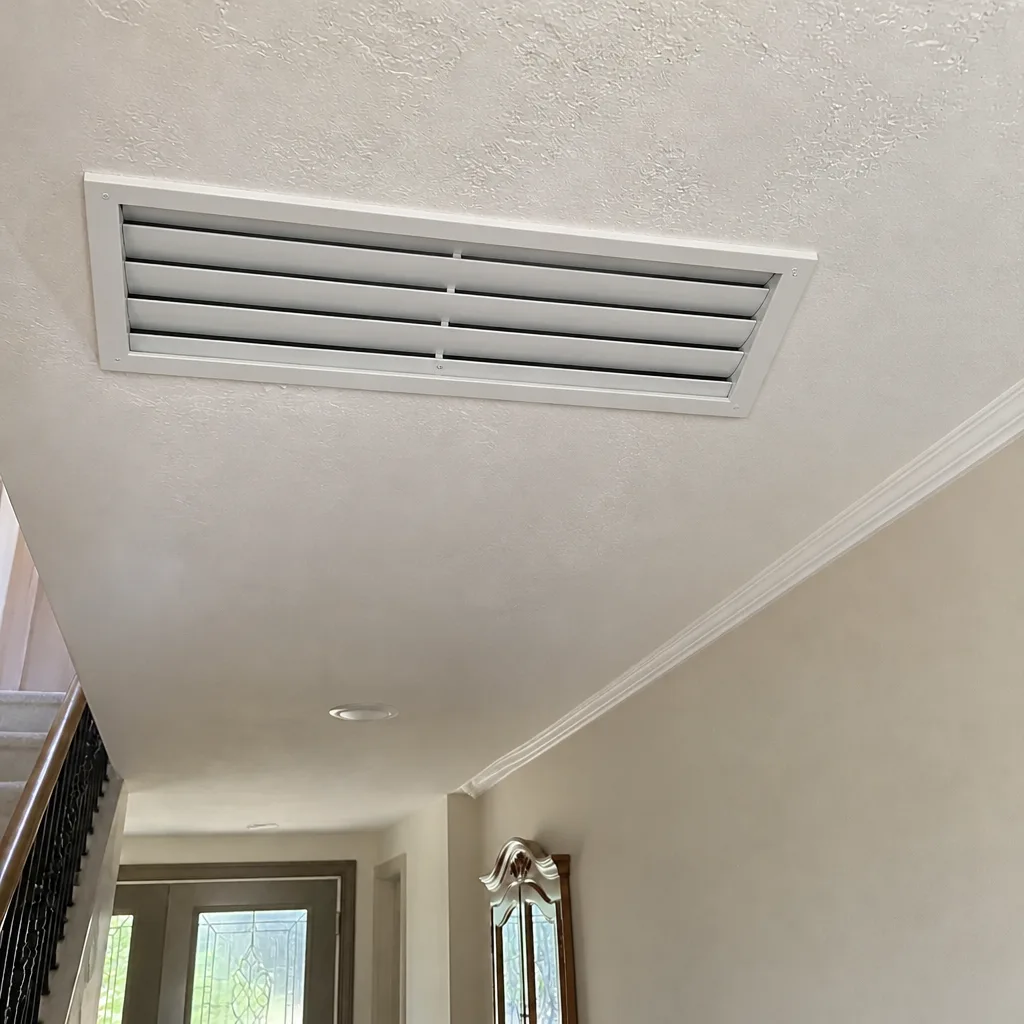 After
When to Call a Professional
Call a professional when the issue is inside the duct system, when the symptom has persisted after a filter change and a register check, or when what you find is visual growth, disconnected flex, or an unexplained odor. Also call when you’ve recently renovated, had water damage, or seen pest activity, because the ductwork needs a thorough inspection with containment rather than a spot check. The safe DIY checks above get you information. The professional visit converts that information into a plan and, when appropriate, a cleaning and sealing that actually solves the problem. Call Air Duct Cleaning Saddle Rock at (877) 770-0819 for a free estimate in Saddle Rock. We’ll look at what’s actually inside your ductwork and give you a flat, written price before any work starts.
Frequently Asked Questions
Air duct cleaning in Saddle Rock is priced as a flat rate per system based on the scope of work, not per vent. Most residential jobs fall in a typical range of $450 to $1,200 depending on square footage, number of systems, whether duct repair or sealing is needed, and whether sanitizing and filtration upgrades are included. The written estimate sets the final price before any work begins. Call (877) 770-0819 for an exact quote – estimates are free.
Cheap quotes usually measure the job by vent count and skip the equipment and containment that make a cleaning effective. A shop-vac and a hose aren’t the same as a Rotobrush or Nikro system paired with HEPA containment; the swing in outcome is real. Ask any contractor what equipment they’ll use and whether they’ll take before-and-after photos of your own ducts. Call (877) 770-0819 to get a quote with those details spelled out.
Ask for before-and-after photos of your own ducts, taken by the technician at the time of the work. Any contractor who can’t provide that is telling you something. A finished job also includes a visual walkthrough of the registers and the accessible ductwork, plus a clear description of anything that was found but not cleaned. Call (877) 770-0819 if you want to see what a real inspection report looks like.
Most homes in Saddle Rock do fine with a cleaning every 3 to 5 years, and that window shifts with renovations, pets, water damage, or an aging HVAC system. If a filter change doesn’t fix a dust or allergy complaint, it’s time to inspect rather than wait for a calendar date. Call (877) 770-0819 if you’re not sure whether you’re due.
A cleaning is the right first step, but the cleaning should include a visual inspection of the accessible ductwork to rule out leaks and disconnected runs before it begins. Cleaning a leaky system just means it dirties up faster. Clean, seal, sanitize. That’s the sequence. Call (877) 770-0819 to schedule a free estimate and a walkthrough.
Yes, in most cases. We cover air duct cleaning in Saddle Rock alongside HVAC cleaning, dryer vent cleaning, duct repair, and air quality work, so the whole system can be handled in one appointment rather than three separate ones. Call (877) 770-0819. We answer 24/7. Fast dispatch from 7am to 7pm, Sunday through Friday.
The Bottom Line
Most duct problems that look like furnace or HVAC failures are actually diagnosable from inside the duct system itself. If a room is cold, a register whistles, or a musty smell lingers after a filter change, the answer is usually a leak, a disconnected run, or microbial growth, not a failing appliance. The sequence that works: check the register airflow, listen for the sound pattern, take a flashlight to the boot, and then call a professional when you find growth or disconnected ductwork. Cleaning handles contamination. Sealing and repair handle integrity. Sanitizing with Guardsman neutralizes what’s left. Getting the right step first saves you a second visit and, more importantly, keeps your system from working harder than it should. Our technicians have up to 9 years of experience and use Rotobrush, Nikro, and Abatement Technologies HEPA equipment so you get a professional result, not a surface pass. Call (877) 770-0819 for a free estimate.
Written by the team at Air Duct Cleaning Saddle Rock.