
Last updated November 25, 2026
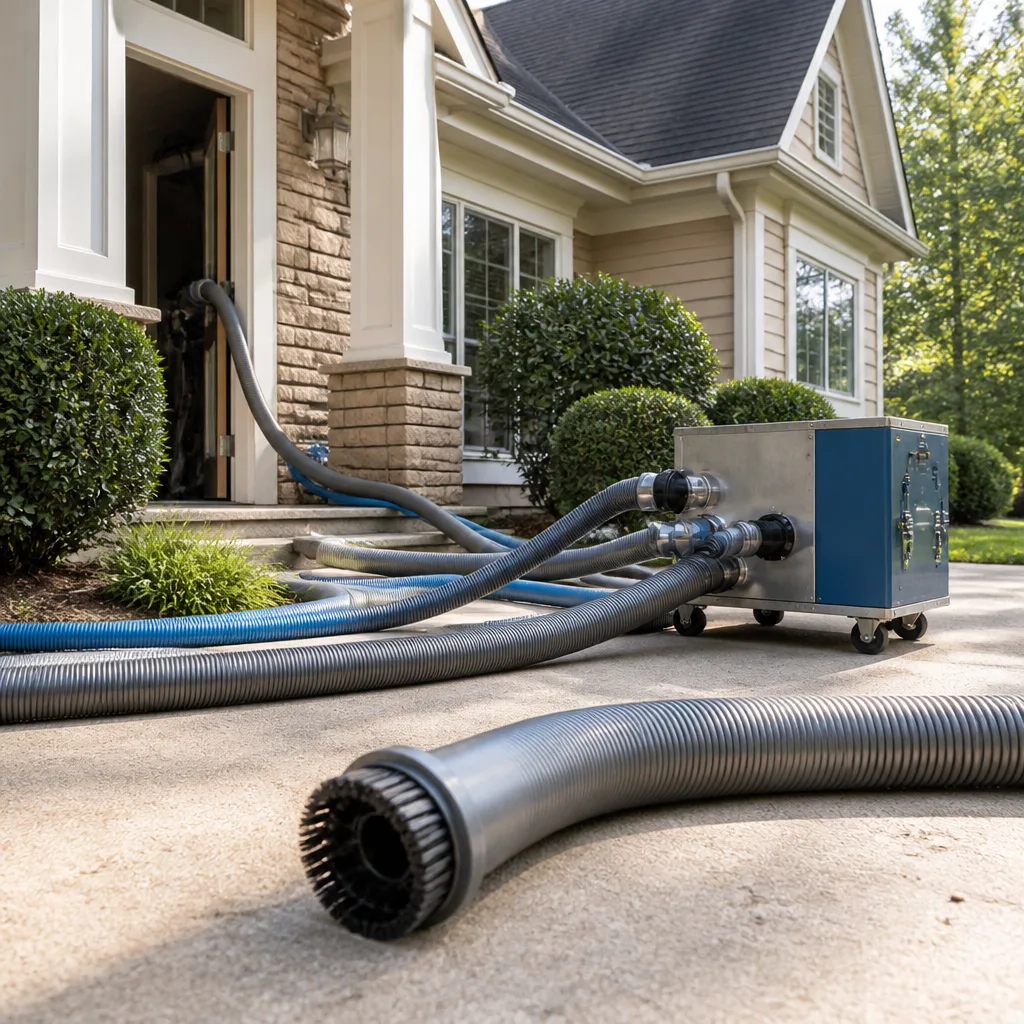 Whole-home duct cleaning
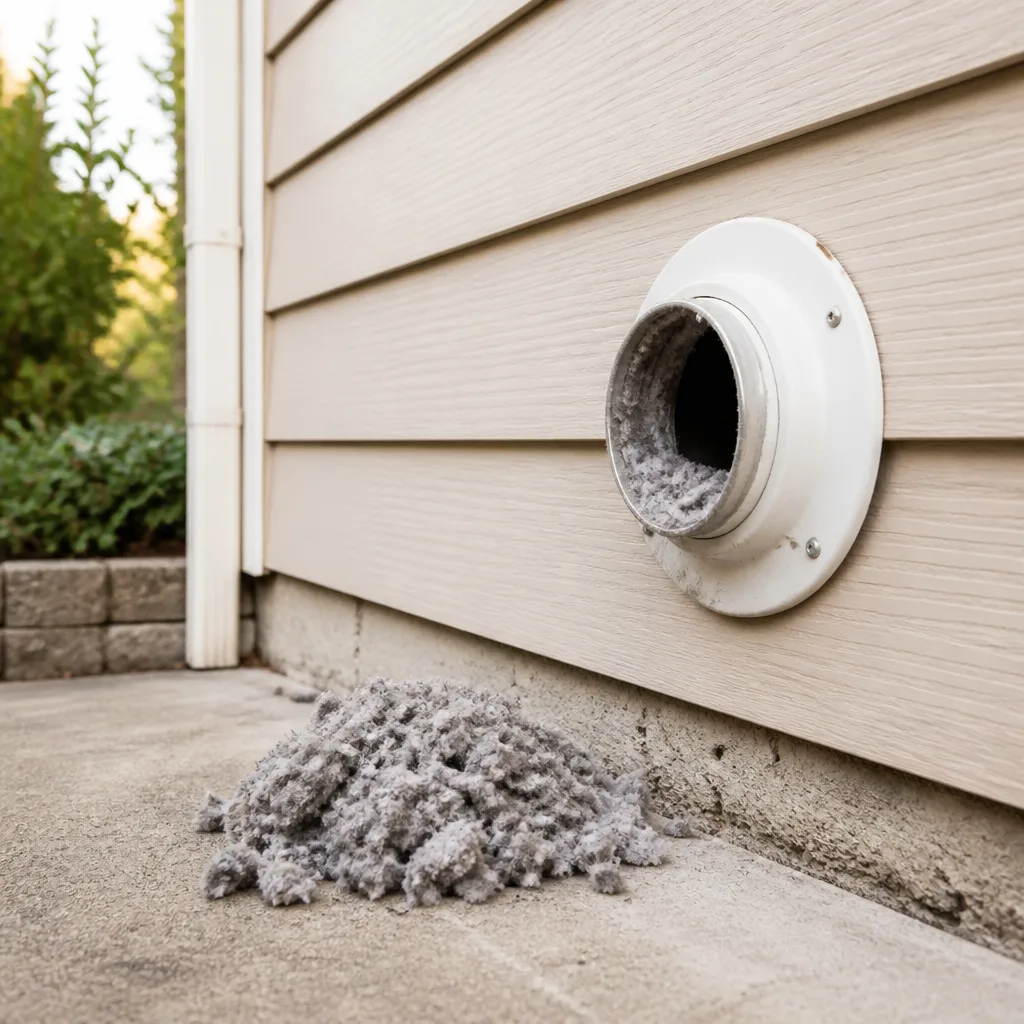 Dryer vent cleaning
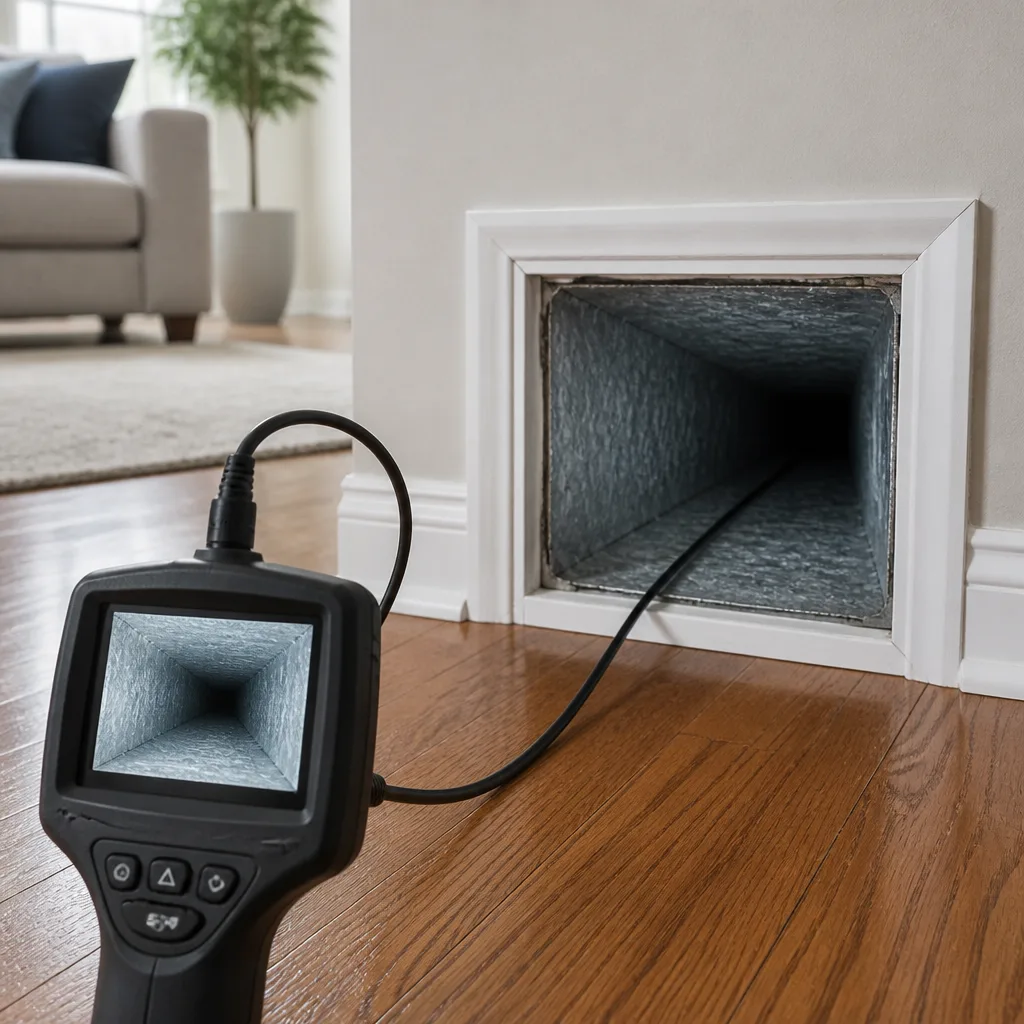 Camera inspection
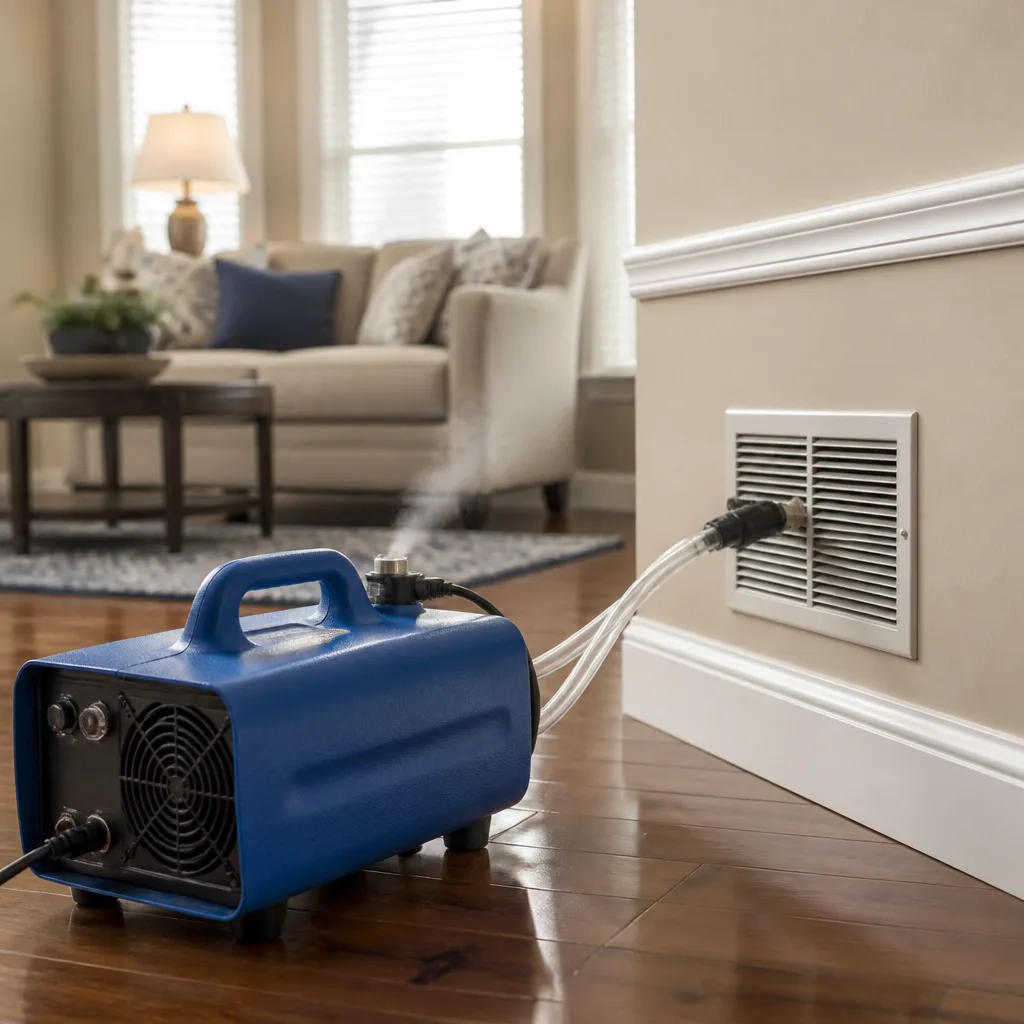 Sanitizing & deodorizing
Whole-system duct and dryer vent check with before-and-after photos - you see exactly what came out of your vents
That "$99 whole-house special" is a bait ad - the real number appears once they are in your hallway, or the "clean" is a shop-vac at the register. We photograph the inside of your ducts before and after instead.
Seasonal Air Duct Cleaning Care for Saddle Rock: Year-Round Homeowner’s Guide
Most homeowners schedule duct cleaning by the calendar quarter, or when the house starts to smell musty, or when someone in the family sneezes twice in a row. That approach misses the two windows that actually matter in Saddle Rock. Spring wind events along the Front Range and late-summer wildfire smoke do far more to load a duct system than the arbitrary quarterly checkbox ever will. A working maintenance calendar is built around those two periods, then filled in with the quieter checks that keep the rest of the year honest. This guide walks through all four seasons, what to watch at your return grilles, how to read your filter loading rate as a leading indicator, and when cleaning is genuinely necessary versus when it’s cosmetic.
Quick Answer
Air duct cleaning in Saddle Rock is best timed to two windows: late spring after the Front Range wind season settles and before the cooling system runs hard, and early fall before the heating season begins. The fall window carries the highest return because a clean blower wheel and coil going into winter means the furnace isn’t fighting debris for the next four months. A filter loading rate that has visibly shortened between changes is the clearest early signal that your ducts need attention, and a professional inspection confirms it.
Styles & brands we work with
- Whole-home duct cleaning
- Dryer vent cleaning
- Camera inspection
- Sanitizing & deodorizing
Table of Contents
- Why Saddle Rock’s Shoulder Seasons Matter More Than Summer or Winter
- Spring (March to May): Wind Events and Return Grille Checks
- Summer (June to August): Wildfire Smoke and What It Does Inside Your Ducts
- Fall (September to November): The Highest-ROI Service Window
- Winter (December to February): Dry Air, Static Dust, and Humidifiers
- Using Filter Change Data as a Leading Indicator
- Whole-System Care: Cleaning, Sealing, and Sanitizing in One Visit
- Common Mistakes to Avoid
- When to Call a Professional
- Frequently Asked Questions
- The Bottom Line
Why Saddle Rock’s Shoulder Seasons Matter More Than Summer or Winter
Here’s a counterintuitive point. Your HVAC system works hardest in Saddle Rock during the shoulder seasons, in spring and fall, not in the dead of summer or the coldest week of winter. Those shoulder weeks are when the system cycles back and forth between heating and cooling within the same day, often within the same afternoon. Every one of those cycles pulls air through the return system, across the blower wheel, and over the evaporator coil. When a coil or blower wheel is coated with dust, each cycle costs you a little more energy than it should, and the equipment ages a little faster than it needs to.
In summer, the air conditioner runs long and steady. In winter, the furnace runs long and steady. Both of those are predictable loads. Shoulder-season cycling is not. The system shifts modes constantly, which is precisely why a dirty coil shows up as a performance problem in April and October far more than in July or January. Saddle Rock homes often run heat in the morning and air conditioning by afternoon in late September, and that’s the kind of week where compromised airflow is most visible in the utility bill and least visible in the thermostat reading.
So when we build a maintenance calendar, we don’t start from January and count quarters. We start from the two moments the system is about to change mode, and we make sure the air-delivery side of it is clean before the change happens. The seasonal sections below show how that plays out month by month.
What a Seasonal Calendar Actually Looks Like
- Late March through May: monitor return grilles for wind-driven particulate, note filter loading rate.
- Late May: pre-cooling-season inspection; check filter condition and coil condition.
- June through August: watch for smoke events, run the system on recirculation when smoke is present, inspect filter color weekly during a smoke episode.
- Late August: post-smoke assessment of duct surfaces and flex lining.
- September through November: pre-heating-season inspection of blower wheel, heat exchanger, and duct sealing; professional cleaning if warranted.
- December through February: static dust management, humidity checks, humidifier maintenance.
That’s it. Six anchor points instead of four rigid quarterly appointments, and two of those anchor points line up with the two events that actually load a Saddle Rock duct system.
Spring (March to May): Wind Events and Return Grille Checks
The first half of the Saddle Rock spring is dominated by Front Range wind events. Gusts pick up fine particulate from open ground, gravel shoulders, and dormant landscaping, and that particulate has to go somewhere. Much of it ends up drawn into return-air systems, especially in homes with return grilles on the floor or at the base of a wall. If you’ve ever pulled a filter in April and found it darker and grittier than the same filter in January, you already know what we mean.
Spring is a monitoring season, not necessarily a cleaning season. What you’re doing between March and May is gathering evidence. You want to know how fast your filter is loading, whether your return grilles are collecting visible debris, and whether the dust coming off those grilles is the fine, sandy grit of wind-driven particulate or the softer, grey lint of normal household dust. Those two are telling you different things.
What to Check at Return Grilles
- Visible accumulation on the grille face: a light even film is normal; a gritty crust that builds back within two weeks after wiping is not.
- Streaks at the plenum connection: dark lines where the return boot meets the ceiling or wall can indicate air leaking around a poorly sealed joint.
- Grille temperature: a return grille that feels noticeably colder or warmer than the room can point to a duct that’s leaking somewhere upstream.
- Sound: a whistling or rushing return that’s louder in spring than in winter usually means the system is pulling harder than the return path can comfortably support, often a sign of partial blockage.
How to Assess Filter Loading Rate
Filter loading rate is simply how fast the filter goes from clean to restrictive. The best way to assess it is to date every filter change with a marker on the filter frame, then compare loading over several springs. A filter that used to last a full three months and now lasts five or six weeks in April and May is telling you something has changed about the amount of particulate reaching it. Sometimes that’s just a windy spring. Sometimes it’s a duct system that’s holding debris from previous seasons and re-suspending it. The distinction matters, and it’s the reason we recommend homeowners keep a simple log rather than replacing filters on feel.
If your return grilles are crusting over within a week of cleaning, and your filter log shows loading rate accelerating year over year, that’s the signal to move from monitoring to a professional inspection. Air Duct Cleaning Saddle Rock uses air duct cleaning equipment for exactly this step, because visual inspection with a camera and proper lighting shows you what the grille can’t. From there you can decide whether cleaning is warranted or whether a sealing job would solve the problem more directly.
Summer (June to August): Wildfire Smoke and What It Does Inside Your Ducts
Late summer in Saddle Rock brings wildfire smoke from somewhere else in the state or further afield. Smoke doesn’t enter your home evenly. It enters through every crack and return path the building envelope offers, and much of it ends up drawn into the return system and deposited on duct surfaces, coils, and filters. The question homeowners should care about is what happens next, because the behavior of smoke deposits differs depending on what your ducts are made of.
Flex Duct Lining vs. Sheet Metal
Sheet metal duct, when clean and sealed, is relatively easy to assess. Smoke particulate deposits as a fine film on the interior surface. It doesn’t bond as aggressively, and a professional cleaning pass with agitation and HEPA extraction removes it reliably. If the interior was clean to begin with, the honest answer after a smoke season is often “yes, there’s smoke residue, and a cleaning restores it to its previous state.”
Flex duct is different. The interior is a smooth or corrugated plastic liner bonded to a wire helix and encased in insulation. Smoke particulate can adhere to the liner, and in corrugated flex the ridges hold deposits that a light vacuum pass can’t fully lift. Worse, when smoke infiltrates with enough volume, some of it can lodge in the insulation jacket if the liner has any pinhole or seam compromise. When a flex duct in a Saddle Rock home has been through two or three heavy smoke seasons without cleaning, we’ve seen liners whose deposits don’t fully clear with standard agitation. In those cases, replacing the run is sometimes the better call than repeated cleaning attempts, and we’ll say so.
So the summer decision isn’t “smoke hit, time to clean.” It’s “smoke hit, let’s see what it deposited and where.”
When Cleaning Becomes Necessary vs. Cosmetic
- Cosmetic: a light film visible on metal duct surfaces, filter doing its job, no odor, no airflow change, no return grille streaking. Cleaning is helpful but not urgent; schedule it for the fall window.
- Necessary: persistent smoke odor inside the home even after the outside air has cleared; visible particulate deposits on the evaporator coil or blower wheel; darker deposits clinging to corrugated flex; a filter that loads to restriction within a week of a smoke event.
- Considered for replacement: flex duct with visible liner damage, compressed insulation from smoke-laden moisture exposure, or deposits that standard agitation can’t dislodge cleanly.
If you’re in that second bucket, call (877) 770-0819. We answer 24/7. Fast dispatch from 7am to 7pm, Sunday through Friday. We can inspect during the smoke season and give you a written recommendation before more of the season piles up.
Fall (September to November): The Highest-ROI Service Window
If we could only recommend one window per year to actually do the work, this is it. Fall is the highest-return service window for a Saddle Rock duct cleaning because everything you clean now stays clean going into the season when the system runs hardest and most steadily. A clean blower wheel in October means the furnace pushes air at design pressure all winter. A clean evaporator coil in October means the system isn’t carrying summer deposits into spring.
Pre-Heating-Season Inspection Timing
The right window is roughly mid-September through early November, before the first sustained cold snap. Here’s what a proper pre-heating-season inspection covers:
- Blower wheel inspection. The wheel is where dust and lint from the return system accumulate most visibly. A wheel with caked deposits comes out of balance, and an out-of-balance wheel is a bearing-and-motor-life issue, not just an airflow issue.
- Heat exchanger visual inspection. A professional visual inspection with proper lighting looks for cracks, soot patterns, and corrosion. If anything looks questionable, the tech will tell you to call a licensed HVAC contractor for a combustion analysis, because that step belongs to them, not to us.
- Evaporator coil inspection. Even though it’s the cooling coil, deposits on it affect winter performance too, because the air passes through it on the way to the heat exchanger.
- Duct sealing assessment. Sealing is the step most homeowners skip, and it’s the one that fixes the root cause of re-contamination. A cleaned duct that leaks at every joint re-contaminates itself in a single season.
- Filter choice review. The fall is when the right filter matters most, because winter requires the system to deliver heat at a rate the filter must not choke.
If that inspection turns up a properly compromised duct system – visible leaks, disconnected runs, crushed flex, cold spots at registers – the fall is the right time to address it, because the work integrates with the cleaning schedule. Our HVAC cleaning scope covers the coil, wheel, and cabinet alongside the ductwork, and our technicians have up to 9 years of experience with exactly this kind of combined service.
Winter (December to February): Dry Air, Static Dust, and Humidifiers
Once the heating season is in full swing across Saddle Rock, the climate inside the house shifts in ways that matter to your ducts. Relative humidity drops. Low humidity means more static charge, and static charge means dust particles cling to duct walls, register grilles, and any plastic interior surface rather than traveling through the system. That’s why a home that was reasonably clean in October can show dust build-up on register faces by December, even when nothing about the household changed.
How Whole-Home Humidifiers Interact With Duct Cleanliness
A whole-home humidifier is a good addition to a dry-climate home, and it can help damp down the static dust problem. But it also introduces moisture into the air stream, and that has consequences for a duct system that isn’t clean. If the ducts are carrying visible debris, humidification can make some of that debris sticky. Over time, repeated cycles of humidification against dirty duct surfaces can encourage microbial growth in spots where moisture lingers, particularly in poorly insulated runs through unconditioned space.
That’s the reason we recommend cleaning before adding humidification, not after. Clean ducts plus controlled humidity is a good combination. Dirty ducts plus added humidity is a setup for the exact problem you’re trying to solve. Honeywell and Aprilaire whole-home humidifiers are the two brands we stock and install, and both integrate cleanly with a duct-cleaning visit so the homeowner isn’t paying for two separate service calls.
Winter Duct Care Checklist
- Check filter monthly through the heating season; a filter that goes to restriction in six weeks in January is telling you the same thing a spring loading-rate change tells you.
- Wipe register faces quarterly. Persistent dust within a week of wiping means the return system is bringing it back, not that the household is dirty.
- Check humidifier water panel at the manufacturer’s recommended interval and note whether it’s loading unusually fast; heavy mineral scale can point to whole-home water conditions worth reviewing.
- Listen for whistle or rushing at returns; a change in winter is a change in the return path and worth investigating.
- Keep the humidifier set point reasonable; higher isn’t better, and condensation on windows is the signal it’s too high for the outdoor temperature.
Using Filter Change Data as a Leading Indicator
Your filter is the cheapest diagnostic tool in the house, and almost nobody uses it that way. A filter that visibly darkens on a predictable schedule is telling you the system is behaving; a filter whose loading rate changes is telling you something upstream has changed. Tracking that is simple, and it turns a guess into evidence.
How to Start a Filter Log
- Date every filter change with a marker on the filter frame itself. Not in your phone, unless you’re disciplined about checking it. On the filter, so the date travels with the filter.
- Note the filter type (nominal rating and manufacturer) so you’re comparing like to like over the year.
- Note the visual condition at change, in one word: light, moderate, heavy, restricted. Four categories are enough.
- Note any unusual event in the same log, like a smoke event, a windy month, or a renovation. Those become the explanation for spikes.
- Review the log every six months. If the loading rate has shortened for the same filter type across multiple change cycles, your ducts are holding more debris than they were.
What the Data Actually Tells You
- Stable loading rate, mild seasonal variation: system is clean, filter is doing its job, no action needed.
- Shortening loading rate across two or more change cycles: duct system is holding debris and re-suspending it. Time for a professional inspection.
- One isolated heavy filter following a smoke event: expected, replace the filter and continue monitoring.
- Shortening loading rate combined with visible return grille crusting: strong indicator that professional cleaning is warranted.
- Shortening loading rate combined with airflow complaints or higher bills: check for duct leaks or disconnected runs as well as cleaning, because cleaning alone won’t fix a leak.
This is also the data we ask for when a homeowner calls us. If they can tell us “my filters used to last three months, now they last five weeks”, we know something in the system changed, and the inspection has a starting point. If they can only say “feels dusty in here”, we’ll start the same way, but the log saves time and money for everyone.
Whole-System Care: Cleaning, Sealing, and Sanitizing in One Visit
A duct cleaning without attention to leaks and microbial growth is temporary. The ducts are cleaned, the leaks remain, and the system re-contaminates itself within a season or two. That’s the reason this whole guide keeps pointing back to the same three-step structure.
Step 1: Clean. Professional-grade Rotobrush and Nikro systems agitate and extract simultaneously, which is different from shop-vac-style equipment that displaces dust into the air stream rather than capturing it. We also run Abatement Technologies HEPA containment during the cleaning, the same category of equipment used in professional remediation, so dislodged particulates are captured rather than recirculated. This is the step most homeowners think of as “duct cleaning”, and it’s necessary but not sufficient.
Step 2: Seal. Duct repair and sealing addresses the leaks, disconnected runs, and crushed flex that make cleaning pointless in the long run. Sealed ducts hold pressure, the coil and blower wheel stay clean, and you get the energy benefit you were promised when the HVAC system was installed.
Step 3: Sanitize. Guardsman antimicrobial treatment is the final step after cleaning and sealing, and it addresses the microbial side of indoor air quality that mechanical cleaning alone doesn’t reach. Together the three steps are what we mean by “clean ducts, sealed ducts, healthier air”.
Because all three steps and the air-quality upgrade can happen in the same visit, a homeowner who schedules in the fall can go into winter with clean ducts, sealed joints, and a Honeywell or Aprilaire filter or humidifier installed. That’s the reason fall is the highest-ROI window in Saddle Rock, because every other seasonal concern and every other improvement can land in the same appointment.
If you’re also concerned about dryer fire risk in Saddle Rock, dryer vent cleaning is worth folding into the same service window, because the same equipment category and the same visit can cover it. And for homeowners scheduling for the first time in Saddle Rock, the Air Duct Cleaning Saddle Rock page covers what a standard visit includes from start to finish.
Common Mistakes to Avoid
- Scheduling cleaning only when something smells. Odor is a late-stage signal in Saddle Rock, because the dry climate can mask microbial growth that only becomes noticeable when the system runs under humid conditions. By the time you smell it, you’ve likely been running on a compromised system for months.
- Cleaning without sealing. A cleaned duct system with unaddressed leaks re-contaminates itself within one or two seasons. Sealing is what makes the cleaning last, and skipping it is the single most common reason homeowners feel like their cleaning “didn’t work”.
- Upgrading to a high-MERV filter to “compensate” for dirty ducts. A high-MERV filter on a system with restricted airflow makes the pressure problem worse, not better. The correct order is cleaning, sealing, then filter selection in that order.
- Adding a whole-home humidifier to dirty ducts. Moisture plus debris is the combination that encourages the exact microbial problem you’re trying to prevent. Clean first, humidify after.
- Trusting a spring inspection that only looks at the return grilles. A grille tells you what’s arriving. Camera inspection inside the ductwork tells you what’s already there and what the coil and blower wheel look like. Saddle Rock homes need the second, not the first, to make a real decision.
- Replacing filters on feel instead of on data. A log with four words per change (“light, moderate, heavy, restricted”) turns years of guesswork into a clear trend. Skip the log and you’ll always be guessing.
- Assuming summer cleaning is the urgent one. Wildfire smoke triggers cleaning in cases that genuinely warrant it, but the highest-return cleaning window in Saddle Rock is fall, before heating season begins, not mid-August.
When to Call a Professional
A professional inspection makes sense when any of these apply: your filter log shows a shortening loading rate across multiple change cycles; you’ve been through a heavy smoke season and register faces are darkening quickly; you’ve just finished a renovation; your HVAC system is running longer than it used to; someone in the household has allergies that get worse when the system runs; you’ve moved into a home with unknown service history; or your dryer is taking longer than it used to dry a load. Each of those is a specific signal that deserves a professional look rather than a homeowner guess. Air Duct Cleaning Saddle Rock offers free estimates in Saddle Rock, so call (877) 770-0819 to book an inspection. We answer 24/7. Fast dispatch from 7am to 7pm, Sunday through Friday. The inspection includes camera views of the interior ductwork, so you see the same thing the technician sees.
Frequently Asked Questions
Most Saddle Rock homes benefit from a professional duct cleaning every two to four years, scheduled in the fall window before heating season. Homes near open ground exposed to Front Range wind events, homes that have been through multiple heavy wildfire smoke seasons, and homes with pets often need a shorter interval. Filter loading rate is the best guide, because it tells you whether your system is genuinely loading debris or just cycling normally.
Fall is the better window for most homeowners, in the September-to-November range, because a clean system going into heating season runs at full efficiency for the months it’s working hardest. Spring cleaning is appropriate when the winter was heavy on filters or when the previous fall window was missed. The reasoning is about what the system does after the cleaning, not about the cleaning itself.
Yes, and it deposits differently depending on the duct material. Sheet metal holds a light film that professional agitation and HEPA extraction removes reliably. Corrugated flex duct is harder to clean fully because the ridges trap particulate, and if the liner has any damage, deposits can penetrate the jacket. A camera inspection tells you which you have and whether cleaning or replacement is the better call.
Low winter humidity increases static charge, which causes dust to cling to register faces and duct walls rather than staying suspended in the air stream. That means a home whose duct system is clean to begin with shows less visible accumulation, and a home with an already-loaded duct system shows more. Persistent winter dust is a signal worth investigating, not just a dry-climate annoyance.
Yes. Cleaning, sealing, sanitizing, and air-quality equipment installation can all happen in a single scheduled visit, which is part of why fall is the highest-return window in Saddle Rock. Cleaning first and then humidifying is the correct order, because adding moisture to a duct system that’s carrying debris encourages microbial growth in the wrong places. We stock and install Honeywell and Aprilaire products to make the same-visit approach practical.
Pricing is set per system by a written estimate agreed before work starts, so it reflects the actual size and condition of your ductwork rather than a per-vent rate that would tempt a bait-and-switch. Call (877) 770-0819 for an exact quote. Estimates are free, and you get before-and-after photos of your own ducts so you know the work happened.
The Bottom Line
Saddle Rock’s seasons don’t treat your duct system equally, and the maintenance calendar that serves you best is built around the two periods that actually load it: spring wind events and late-summer smoke. Monitor through spring, watch for smoke in summer, and do the real work in fall before heating season, when cleaning plus sealing plus sanitizing happens in one visit and pays you back for months. Track your filter loading rate as a leading indicator, and when the data says the system is loading, get a professional camera inspection rather than guessing. That covers the year honestly, without a single arbitrary quarterly appointment.
Contact Us
Whether you’re ready to schedule the fall window, want a camera inspection after a smoke season, or just want to know what your filter log means, call (877) 770-0819 for a free estimate. We answer 24/7. Fast dispatch from 7am to 7pm, Sunday through Friday. One flat price per system agreed before the work starts, before-and-after photos of your own ducts, and a satisfaction guarantee. Clean ducts, sealed ducts, healthier air – and a maintenance plan built around what Saddle Rock’s climate actually does to your system.
Written by the team at Air Duct Cleaning Saddle Rock.
See the difference
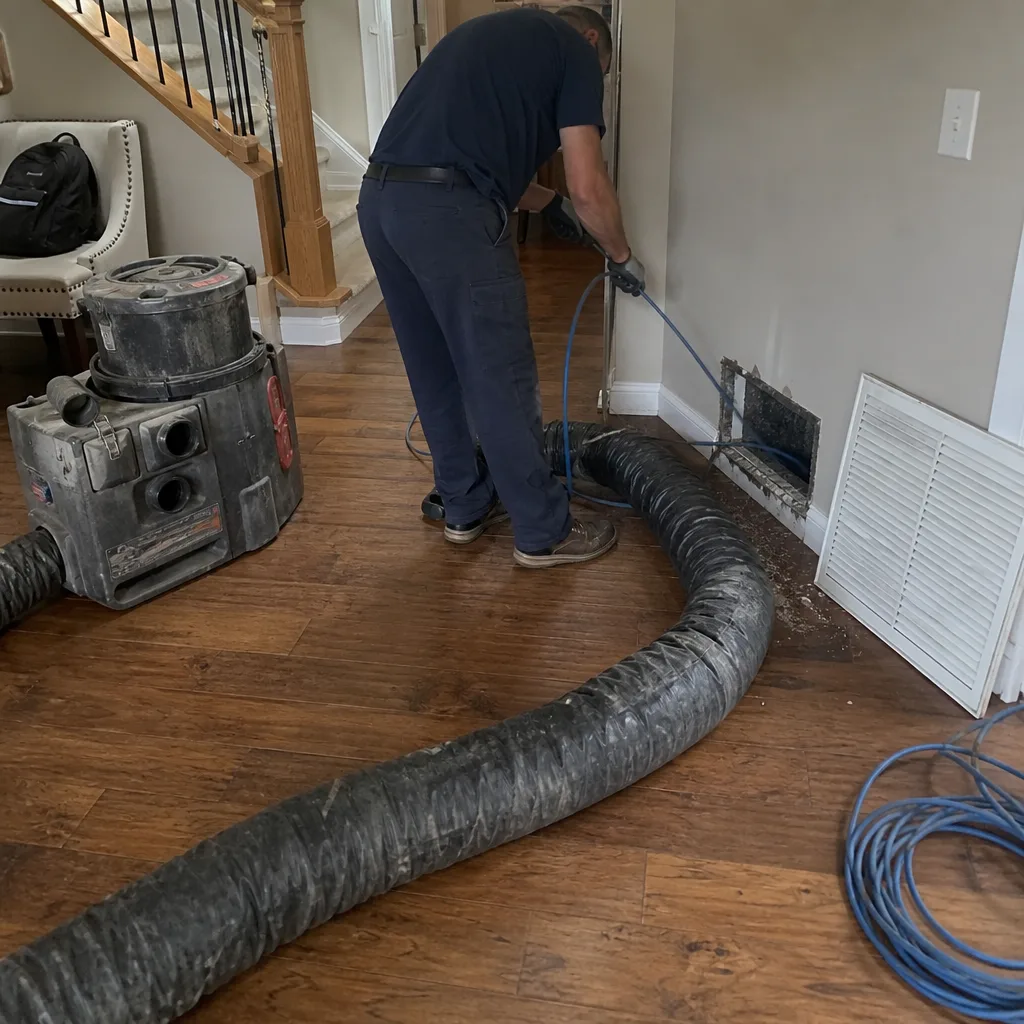 Before
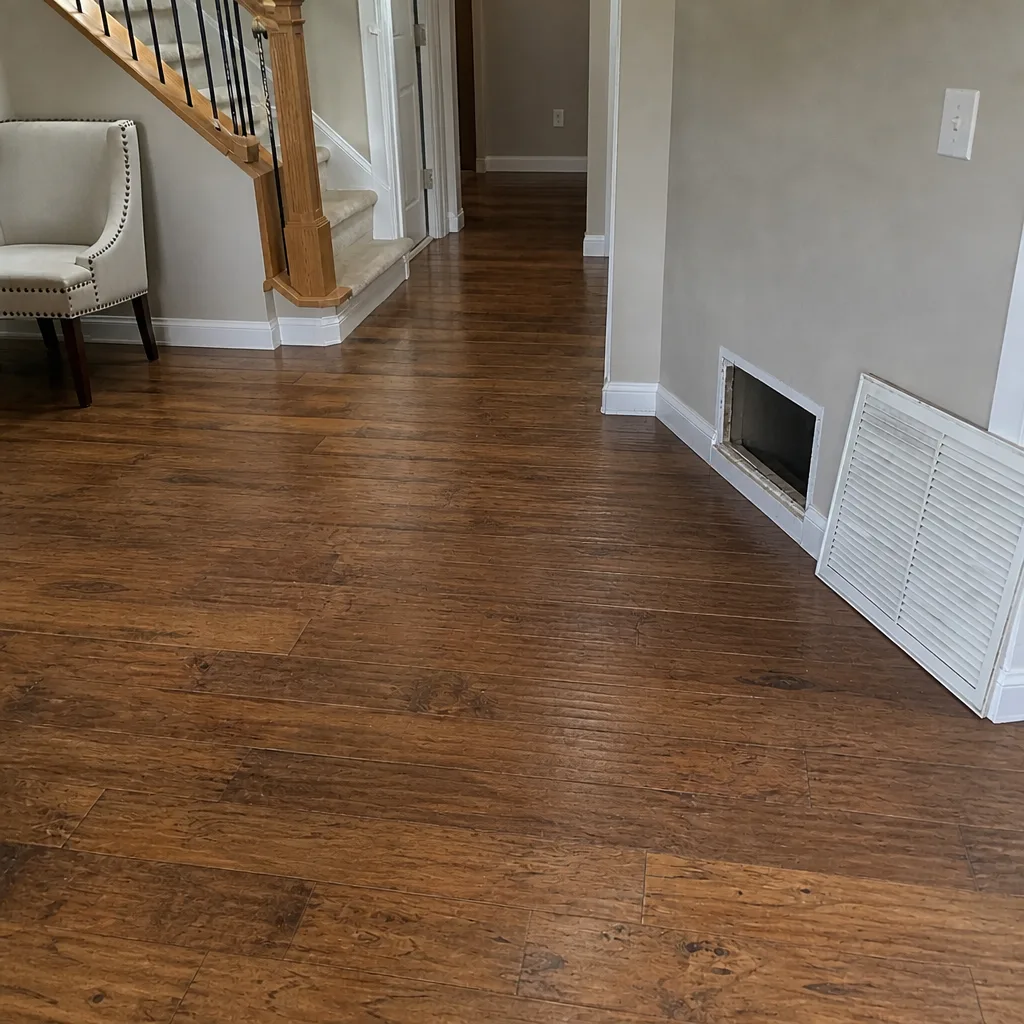 After
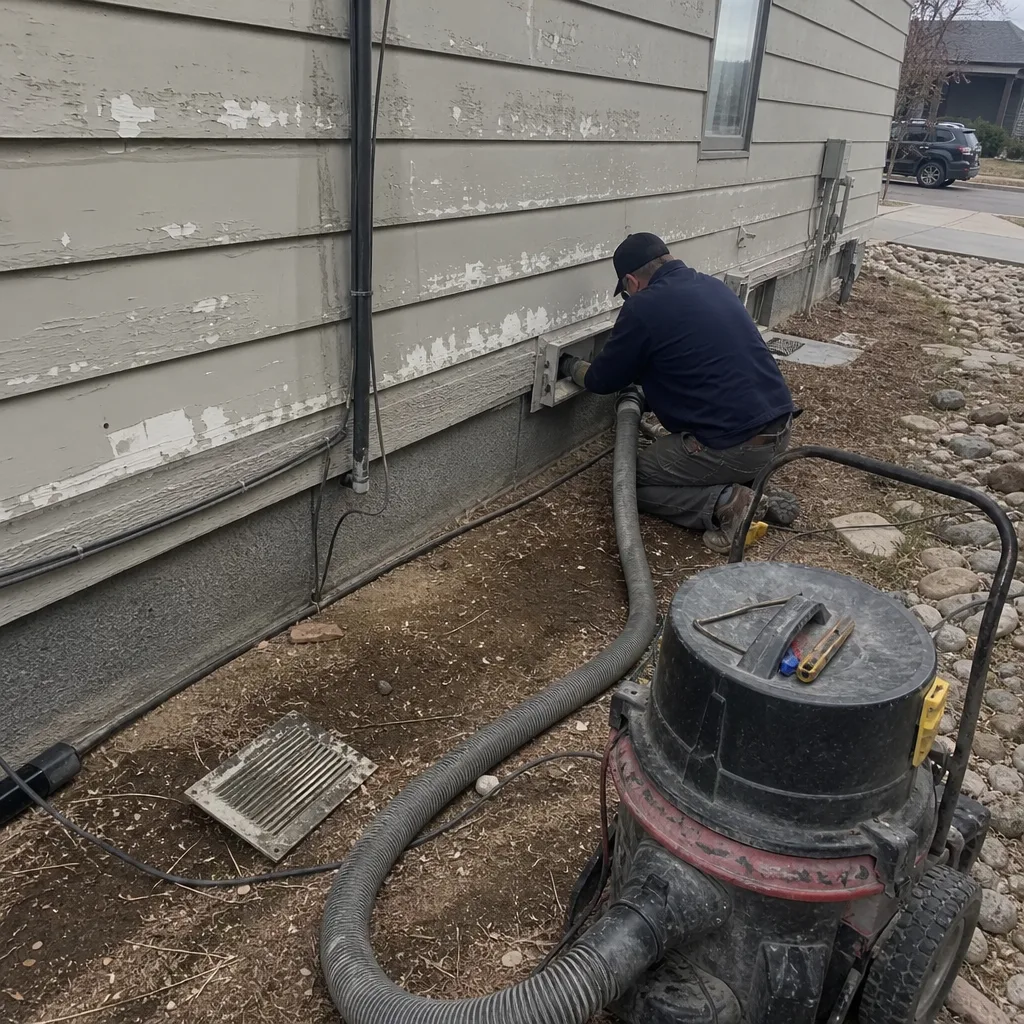 Before
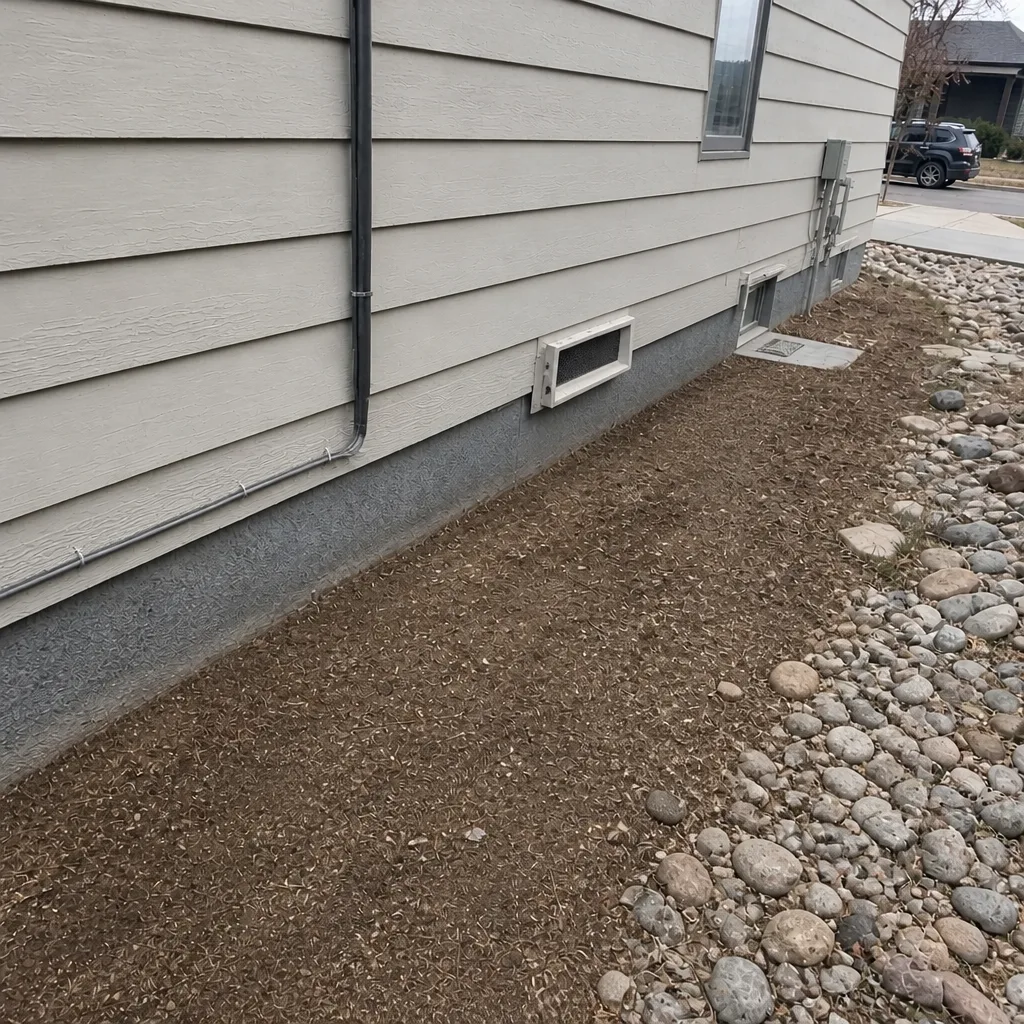 After
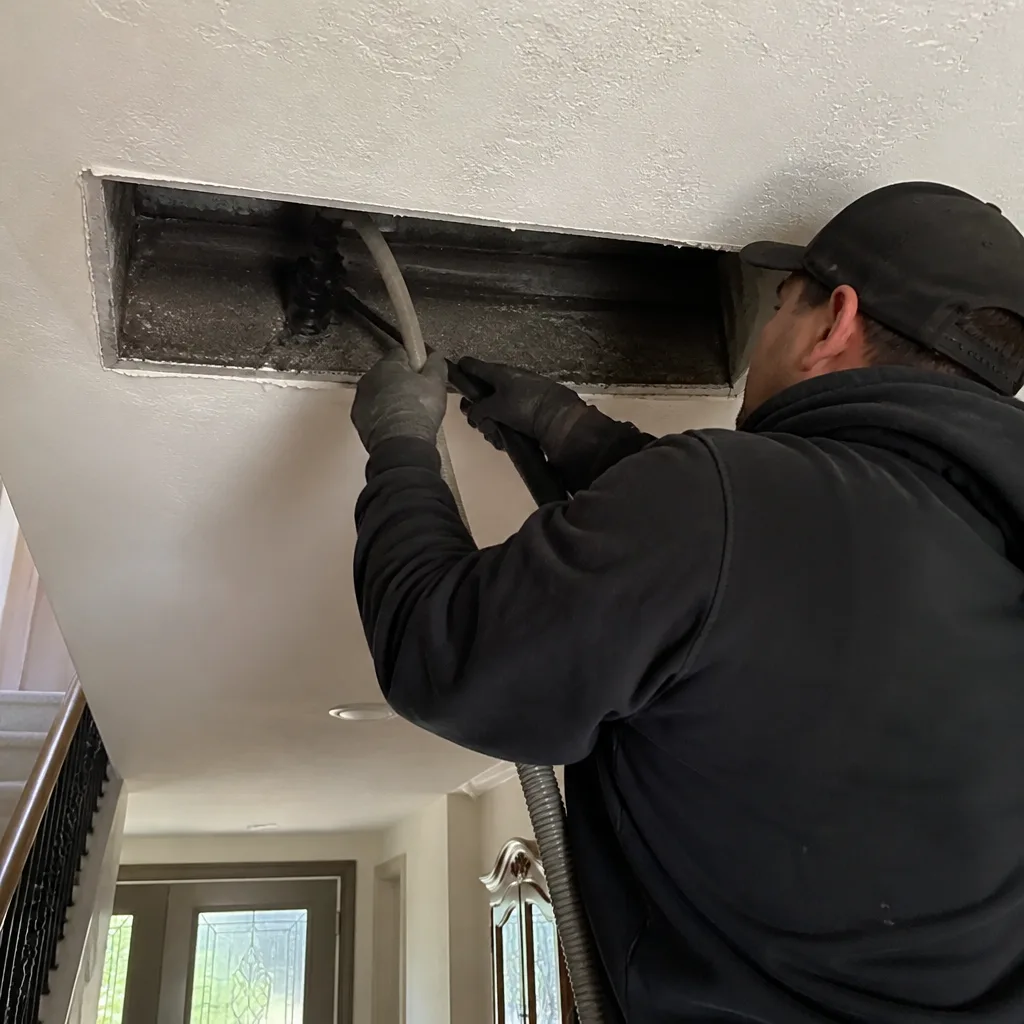 Before
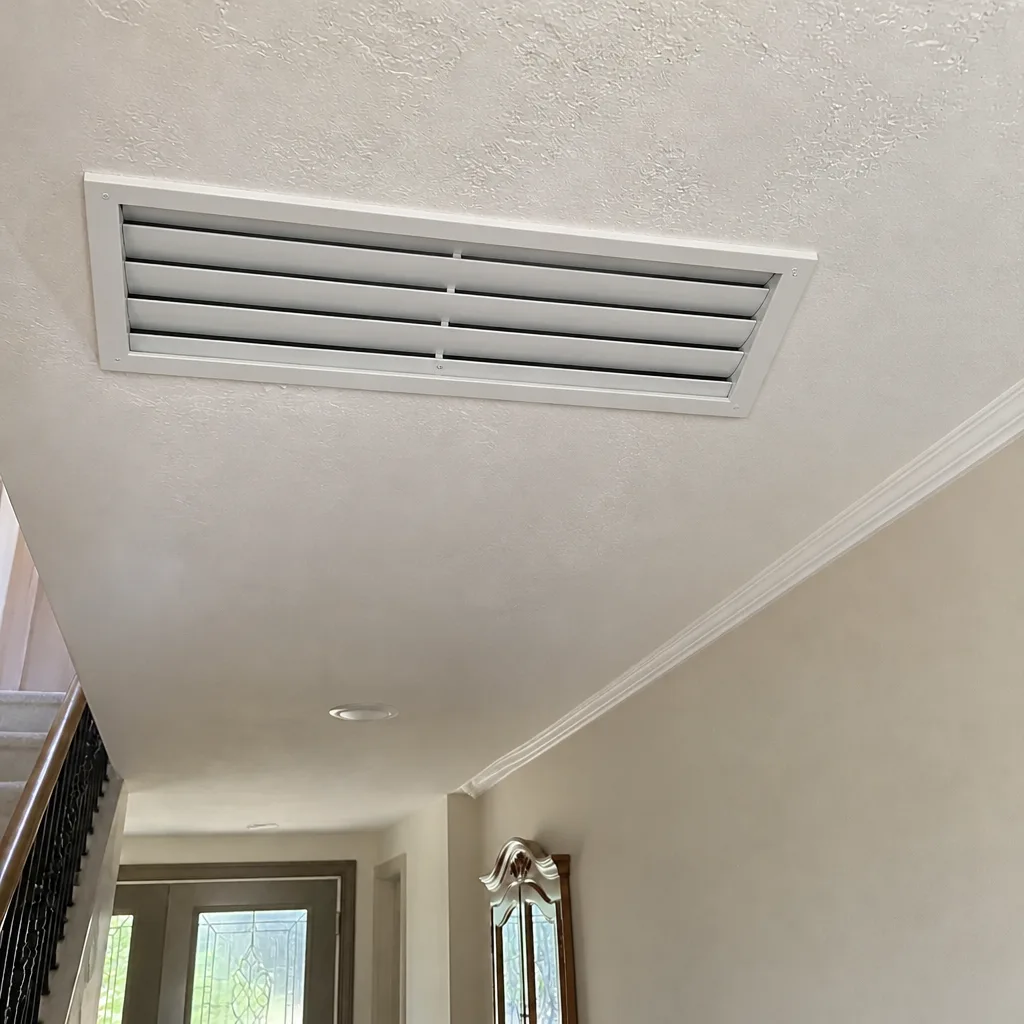 After